BEYOND
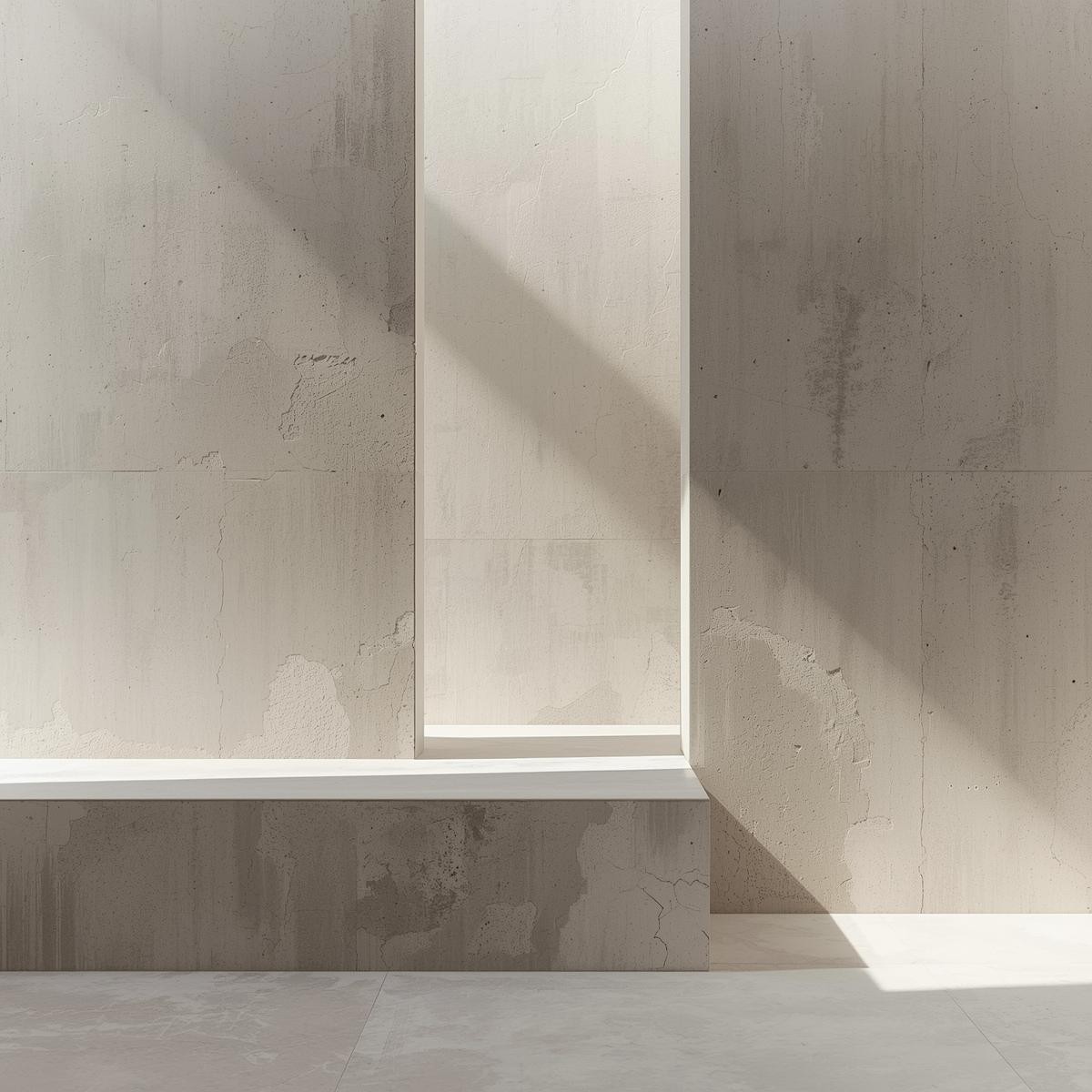
“What we remove speaks louder than what we build.”
The void isn’t emptiness — it’s meaning made breathable. Every absence in architecture is an opportunity for presence.
The Space Between
“The void is the architect’s handwriting — the pause between the notes.”
We define space not by the walls that contain it, but by the air that moves through it. The void becomes our alphabet — each opening, each pause, each gap articulating rhythm. In our studio, we sketch by subtraction. We ask: what happens when nothingness becomes the focal point? When silence, shadow, or air become design elements?
Absence as Emotion
A courtyard, an atrium, an unbuilt corner — these voids hold tension and relief. They allow architecture to breathe. In absence, the viewer becomes part of the form; they complete the space with imagination.
Beyond Physicality
“In silence and emptiness, architecture finds its most honest voice.”
When the void becomes language, architecture transcends material. It becomes meditation — an awareness of being. It’s not about creating structure, but framing experience. The void teaches humility: that sometimes, to design deeply, one must first unbuild.
beyond studio
At BEYOND, we believe architecture is more than buildings, it’s a rhythm of light, form and human experience. Rooted in minimalism and sculptural geometry, our studio designs bold environments that challenge convention and celebrate clarity