BEYOND
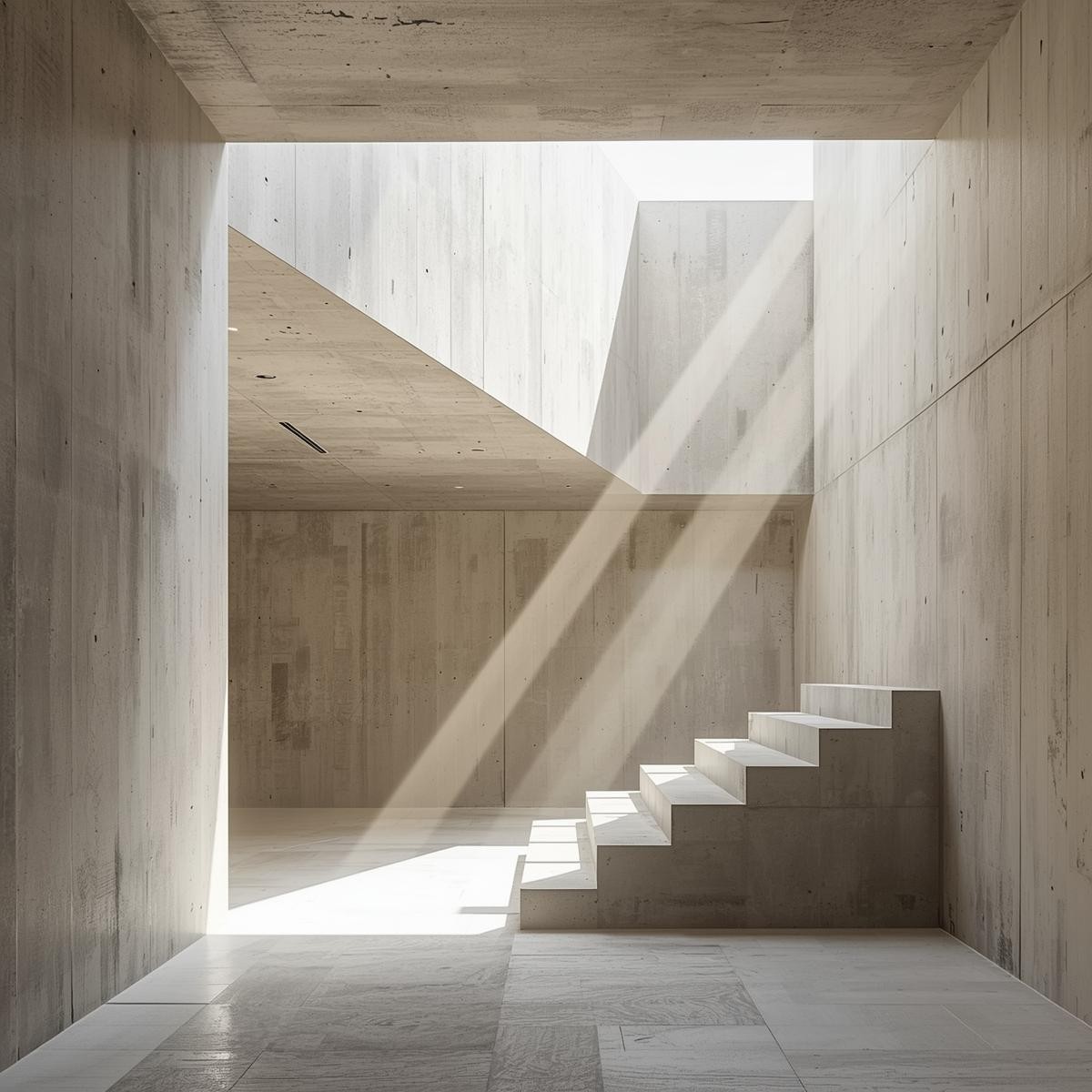
“Light doesn’t touch surfaces — it reveals souls.”
Architecture often begins with mass — form, material, density. Yet the most powerful force shaping these forms has no weight at all: light. It’s both invisible and defining, both fleeting and permanent.
The Material of the Immaterial
“Light is not decoration — it is architecture’s first truth.”
Light, paradoxically, gives material its presence. A wall is only seen because light decides to meet it. Each beam sketches the outline of our perception. In designing, we treat light as a building material — one that sculpts mood and defines time. Morning light makes architecture breathe; dusk gives it memory. When it strikes, it transforms concrete into warmth and shadow into language.
Shadows as Structure
Every shadow holds geometry within it. In our projects, we compose with darkness as much as brightness. The spaces in-between — the half-lit corridors, the dim reflections on steel — are where emotion happens. We often say our designs are not “lit” but “revealed.” The architecture exists all along; light merely narrates it for the day.
Light as Emotion
“In the right light, at the right time, everything is extraordinary.”
Light teaches empathy. It slows us down, humbles us. In our practice, we design for shifting illumination — not control, but surrender. When a ray finds its path through an opening, it’s not planned; it’s discovered.
beyond studio
At BEYOND, we believe architecture is more than buildings, it’s a rhythm of light, form and human experience. Rooted in minimalism and sculptural geometry, our studio designs bold environments that challenge convention and celebrate clarity